Our food industry has undergone a profound transformation in the last ten years. An increase in urbanisation, the popularity of mobile phones, and the growth of online food delivery services have changed how consumers purchase food. Today, customers are much more likely to order food online than to visit the restaurant. This is driving the rise of cloud kitchens, which is one of the most disruptive technology innovations in the food and beverage industry.
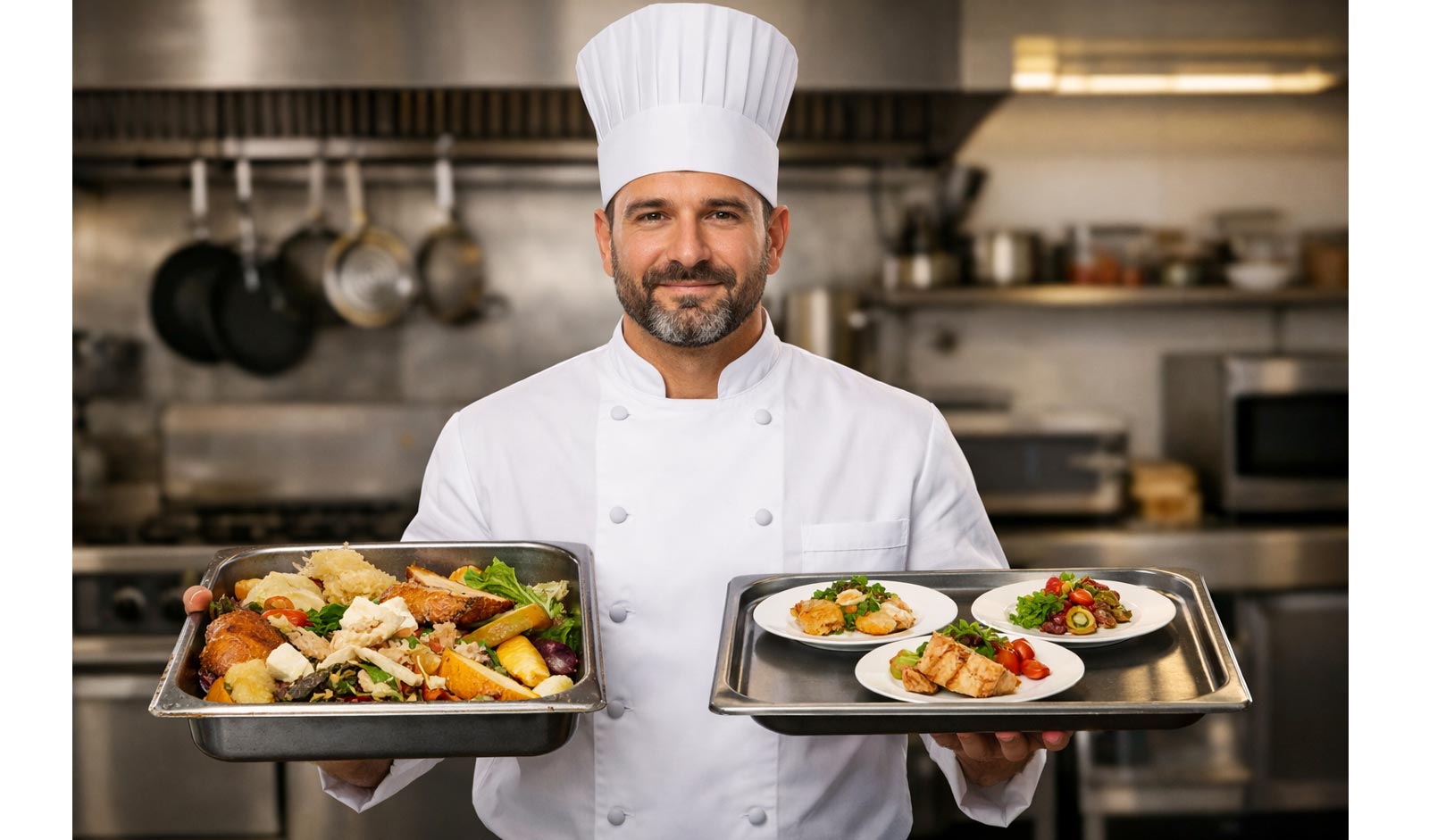
Cloud kitchens do not offer dine-in options. The kitchens are mainly used for making food products. Food is cooked in specially designed kitchen spaces for efficiency and speedy preparation, and orders are placed online through delivery services. Because of their adaptability, cloud kitchens are increasing the reach of the food and beverage industry and creating new possibilities for restaurants, food entrepreneurs, and technology companies.
What are Cloud Kitchens?
Cloud kitchens are restaurants that prepare delivery-only food. They have no seats or shopfronts. Rather, they are run by restaurant delivery platforms and apps. They can also be called dark kitchens, virtual kitchens, and ghost kitchens. The idea is to minimize expenses for overhead while also maximizing efficiency. As they don’t require expensive retail outlets and large waitstaff, cloud kitchens can run much cheaper than restaurants.
The reason Cloud Kitchens are Growing Faster
The growth of cloud kitchens can be linked to the growth of online food delivery. Customers today are looking for speed, convenience, and variety. Placing an order using a mobile application is a part of the new normal. Zomato, Swiggy, and Uber Eats have accelerated this phenomenon. They bring together customers and hundreds of restaurants and eateries, and even virtual food brands, within minutes.
A variety of factors are driving the development of cloud kitchens.
- Increasing popularity of food delivery
- Cities are expanding and are busy
- Cheaper to start up than restaurants
- Faster introduction of new brands and menus
- Learn even more about their customers with data
For several entrepreneurs in the food industry, the cloud kitchen is a faster and less risky alternative to enter the food industry.
What Cloud Kitchens Do: An In-depth Description
1. There is a lower cost of entry for food entrepreneurs
It can require a high capital investment to set up a traditional restaurant. Owners of businesses have to pay for expensive rental costs for prime locations, kitchen equipment, interior design furniture, food service personnel, as well as daily operational costs. This may be a problem for many chefs and restaurant owners to enter the food business. The cloud kitchen is a more affordable option. This type of kitchen is used only to cook food; it doesn’t need a large dining hall and front-of-house facilities. The entrepreneurs can simply focus on food preparation, branding, and online marketing. Ultimately, the cost of starting a food brand is lower.
Using cloud kitchens, companies can open operations quickly, avoiding long hold-up times. The entrepreneurs can play around with menu items and change the products based on consumer preferences and market trends. This is a strategy that many home cooks and chefs are currently employing to develop delivery-only brands specialising in niche categories such as healthy food, local cuisines, regional cuisines, and gourmet comfort food.
2. Virtual restaurant brands
Cloud kitchens have also made it possible for virtual restaurant brands that operate online through delivery apps, without the need for brick-and-mortar. These brands are online and use delivery apps to engage with the consumer. The key advantage of this business model is that multiple food brands can operate in a single kitchen. This allows companies to cater to different consumer preferences without needing to set up another infrastructure. The kitchen could have a fast-food (burger) brand, a healthy salad brand, a dessert brand, or even a regional cuisine menu.
This approach helps increase the utilization of kitchens while also increasing revenue. If the popularity of one particular food is low in a certain time period, then orders from other brands can help out. This is not new for today’s food entrepreneurs. The model has been adopted by companies like Rebel Foods that run several virtual brands using multiple central kitchens across multiple markets.
3. Improving the Food Supply Chain
The cloud kitchen is in partnership with food delivery services. They offer access to transportation, marketing, and a large number of customers. The online ordering system can also provide valuable data to cloud kitchens for them to strengthen their operations.
The benefits of HTML0 include:
- Customer feedback in real-time
- Order trend analysis
- Data-driven menu optimization
- Campaigns for targeted marketing
For example, if trends show that the demand for midnight snacks is increasing in a particular part of the city, cloud kitchens can offer a modified menu to meet this demand. The synergies between logistics, technology, and food are improving the food delivery system.
4. The engine of Food Technology innovation
Technology is a key component of a cloud kitchen. The kitchens are designed for maximum efficiency while minimizing delays in the preparation of food and its delivery.
Modern cloud kitchens often use digital technologies, such as:
- Kitchen display systems for order management
- Automated inventory tracking
- AI-based demand forecasting
- Digital point-of-sale integration
- Software to improve delivery routes
They help the kitchen process many orders, without compromising on quality. In addition, many cloud kitchens have delivery-focused menus. Foods that can travel well and retain their texture throughout transportation are favored.
5. Support for Local Food Entrepreneurs
Another impact of cloud kitchens is the rise of specialty food brands. Entrepreneurs don’t require costly facilities to reach their customers. This allows them to focus on creating new food ideas and catering to specific niches of their target audience. Consumers can then enjoy diverse choices and accessibility to food that is not commonly available in restaurants. This concept has also allowed for branding and packaging innovation and online marketing strategies.
Thanks to cloud kitchens, we have:
- Brands of regional cuisine
- Services for healthy eating that focus on health
- Plant-based vegan and veggie brands
- Brands for healthy snacks and desserts
6. Diverse Business Models that use Cloud Kitchens
There are many business models used to run the cloud kitchen industry.
- Single-Brand Cloud Kitchens: These are dedicated lines of food and have a single brand for food.
- Shared Cloud Kitchens: In this kitchen, the operator manages multiple virtual brands. The kitchens are able to be used more efficiently to generate more c
- Food Platform Kitchens: In some cases, virtual restaurants use the food platforms’ own kitchen. This allows small food startups to kick off without the need for a kitchen.
Both models have their own advantages, depending on size and business plans.
7. Problems are faced by the Cloud Kitchen Industry
Although cloud kitchens are booming, there are also problems.
Principal challenges include:
- High prices for delivery commissions
- Virtual brands competing with each other
- The food’s quality is maintained during the delivery
- Food packaging and transport costs are increasing.
- There’s less chance for the brand to engage with customers
Because customers just interact with the apps, loyalty can be harder to build with these restaurants. Successful cloud kitchens tend to emphasise branding, branding quality, and effective online marketing.
Future of Food Industry Cloud Kitchens
Cloud kitchens are likely to play a bigger role in the coming years for the food sector. With the increasing levels of tech adoption, the growth of delivery chains and food companies, we are likely to see more companies use delivery-centred approaches.
Many new factors will shape the future of this industry:
- Cloud kitchens will move to smaller cities
- AI-driven menus and pricing strategies
- Sustainable food packaging
- Automation in kitchen operations
- Greater integration between food companies and delivery apps
Many restaurant chains are experimenting with the blend of dine-in and cloud kitchen operations. This allows them to expand their delivery service without the need for multiple outlets. Food companies are being transformed by the concept of cloud kitchens. By eliminating the need for premium high-street real estate and optimizing delivery, they are opening up a new growth market for entrepreneurs and brand owners alike. Big data, technology, and a delivery infrastructure create a solid environment for rapid growth in the food and beverage sectors.
For chefs, entrepreneurs, and the venture capitalists that fund their ideas, these are an exciting development in the food industry. As demand from consumers for convenience increases, cloud kitchens will be an important factor for the development of the food and drink ecosystem.