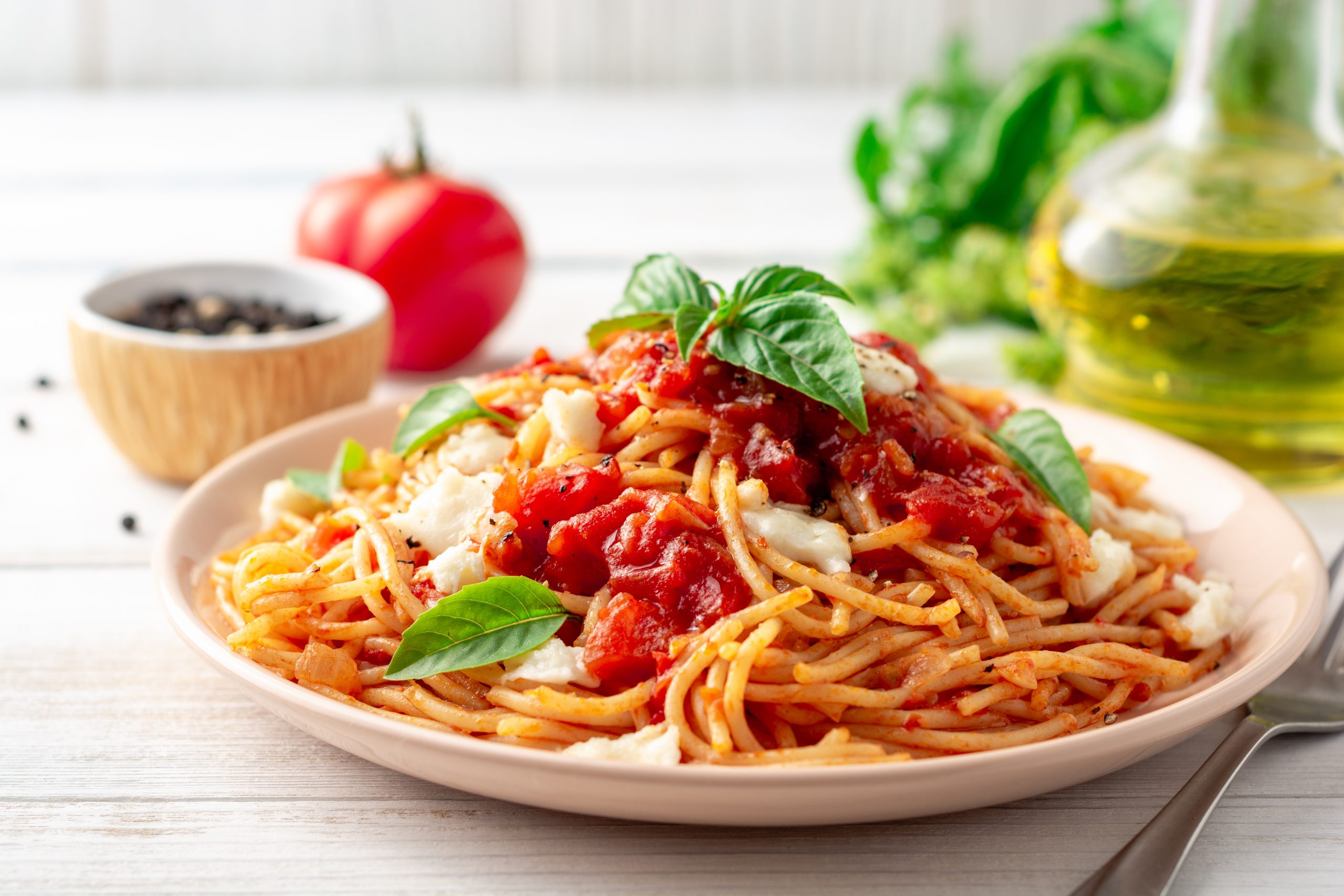
Italian food is one of the world’s most popular and inspiring cuisines. Known for its simplicity, bold flavors, and emphasis on fresh, quality ingredients, Italian cuisine has been a source of fascination for generations of food lovers. This guide to Italian cuisine explores the history, regional diversity, key ingredients, core techniques, and signature dishes, providing a snapshot of the greatness of Italian cuisine.
Historical Background
Italian cuisine has its origins in antiquity, drawing on the Etruscans, Greeks, and Romans. These civilizations established a tradition of cooking with local, fresh ingredients and simple methods. The decline of the Roman Empire and subsequent invasions brought new ingredients and cooking methods to Italy, adding to the diversity of its cuisine.
The Italian Renaissance saw a rebirth of Italian cuisine in the kitchens of Florence, Rome, and Venice. The wedding of Catherine de Medici to King Henry II of France introduced Italian cuisine to the French court, where it went on to influence French haute cuisine. Over centuries, regional differences and plentiful local ingredients gave rise to the regional specialities we know today as Italian cuisine.
Regional Variations
Italian cuisine is incredibly diverse, with each region offering its own unique dishes and culinary traditions. This is a reflection of Italy’s diverse geography, climate, and cultural influences.
- Northern Italy: Northern Italian cuisine is known for its indulgent and creamy treats, including butter, cream, and cheese. Risottos and polentas are common, as well as osso buco (braised veal shanks) and vitello tonnato (veal with tuna sauce). It is also home to various types of pasta, including tortellini and tagliatelle.
- Central Italy: The cuisine of Central Italy, such as Tuscany, Umbria and Lazio, is simple yet robust, with a focus on showcasing the freshness of the ingredients. Olive oil, vegetables, and beans are common ingredients. These include ribollita (vegetable soup), panzanella (tomato and bread salad), and bistecca alla Fiorentina (steak).
- Southern Italy: Southern Italian cuisine, from regions like Sicily, Calabria, and Campania, is rich in flavor. Tomatoes, seafood, garlic, and olives are staples of southern Italian cuisine. Pasta alla Norma (pasta with eggplant), caponata (sweet and sour eggplant dish), and sfogliatella (shell pastry) are among the traditional specialties.
- The Islands: Sicilian and Sardinian cuisines are influenced by the different cultures that have occupied the islands, such as Arab, Greek, and Spanish. Sicilian specialties include arancini (rice balls with filling) and cannoli (pastry filled with sweet ricotta), while Sardinians are known for fregola (a pasta) and porceddu (roast suckling pig).
Essential Ingredients
Another important aspect of Italian cuisine is the focus on quality ingredients. Here are some of the ingredients that form the basis of many Italian dishes:
- Olive Oil: Extra virgin olive oil is used for cooking, salad dressings, and finishing.
- Tomatoes: Fresh, tinned, and dried tomatoes are used in numerous recipes, such as pasta sauces and bruschetta.
- 3Garlic: Garlic is a staple ingredient for flavoring.
- Fresh Herbs: Basil, parsley, rosemary, and oregano are essential for adding fresh flavor.
- Cheese: Parmigiano-Reggiano, mozzarella, ricotta, and pecorino are among the most common types of cheese.
- Pasta: There are countless varieties of pasta shapes and sizes, each best used with different sauces and cooking methods.
- Balsamic Vinegar: This sweet, syrupy vinegar from Modena is used in dressings, marinades, and even desserts.
- Seafood: Italy’s coasts are home to a variety of fresh seafood, such as clams, mussels, and fish.
Fundamental Techniques
Italian cuisine follows certain cooking techniques. These techniques are fundamental to preparing Italian cuisine.
- Sautéing: Cooking ingredients in olive oil over high heat to bring out their flavors. It’s used to prepare Italian sauces.
- Simmering: Cooking sauces, soups, and stews slowly to enhance taste. For instance, the simmered Bolognese.
- Baking: Italian baking includes everything from bread and focaccia to pizzas and pastries. Baking techniques are carefully controlled for textures and taste.
- Grilling: Cooking on the grill is common, particularly in Tuscany.
- Pasta Making: Italian pasta is made by mixing, kneading, rolling, and cutting the dough. Fresh pasta has a delicate texture and superior flavor.
Iconic Dishes
Italian cuisine is home to a number of classic dishes, each reflecting its cultural heritage.
- Pizza Margherita: A classic dish with thin crust, tomato sauce, mozzarella, and basil.
- Spaghetti Carbonara: Roman-style pasta dish with eggs, Pecorino Romano cheese, pancetta, and pepper.
- Lasagna: Pasta sheets layered with Bolognese meat sauce, bechamel sauce, and cheese.
- Risotto: Creamy rice cooked in broth, sometimes with saffron (risotto alla Milanese) or seafood.
- Gelato: Italian ice cream with a creamy consistency and strong flavours, typically made with fruit, nuts, and chocolate.
- Tiramisu: Coffee-flavored dessert consisting of layers of ladyfingers soaked in espresso, mascarpone cheese, and cocoa powder.
Conclusion
Italian food is all about simplicity, quality, and tradition. Its regional variations, use of fresh produce, and simple preparation methods result in simple yet elegant cuisine. Whether you are enjoying a humble bowl of pasta or a meticulously prepared risotto, the essence of Italian cooking lies in its ability to bring people together to savor the joys of good food and company. So, embark on a gastronomic adventure in Italy and relish the flavours and heritage that make Italian food a favourite across the world.